Few logos in progressive metal carry as much meaning, history, and staying power as the Dream Theater band logo. Known officially as the Majesty Symbol, it has appeared on every studio album the band has released and remains one of the most recognized emblems in the genre. To understand the logo is to understand the band itself — rooted in classical reference, shaped by a brief but pivotal chapter, and built to last for decades. Whether you are a longtime fan of the band or a designer interested in how music identity is forged, the story behind this symbol is worth telling in full.
Band History: From Majesty to Dream Theater
Dream Theater was founded in 1985 at the Berklee College of Music in Boston, Massachusetts, by three students from Long Island, New York: guitarist John Petrucci, bassist John Myung, and drummer Mike Portnoy. They initially formed under the name Majesty, a nod to the grand and technically demanding style of music they were already developing as teenagers. Their ambitions were unmistakable from the start, and all three eventually left Berklee to pursue the band full time.
The name Majesty was eventually abandoned after discovering another band had already claimed it. They renamed themselves Dream Theater, a name borrowed from a movie theater in Monterey, California. Their debut album, When Dream and Day Unite, was released in 1989 with vocalist Charlie Dominici, followed by a period of transition that brought James LaBrie on board as lead vocalist in 1991. LaBrie’s arrival preceded the landmark album Images and Words in 1992, which broke the band into wider international recognition.
Keyboardist Jordan Rudess permanently joined the lineup in 1999, solidifying the classic five-piece formation that would go on to produce some of progressive metal’s most celebrated records. Mike Portnoy departed in 2010 and was replaced by Mike Mangini, who performed with the band across five studio albums. In October 2023, the band announced Portnoy’s return, reuniting the lineup that many fans consider the definitive version of Dream Theater.
Band Members and Their Roles
The current lineup of Dream Theater consists of James LaBrie on vocals, John Petrucci on guitar, John Myung on bass, Jordan Rudess on keyboards, and Mike Portnoy on drums. Petrucci and Myung are the only members who have been present since the band’s formation in 1985. Petrucci also serves as the band’s primary producer, having helmed their most recent studio album himself. Each member is regarded as a virtuoso within their instrument, and the interplay between them defines Dream Theater’s dense, layered sound — a blend of progressive rock architecture and heavy metal power that has earned them a Grammy Award and a fiercely devoted global following.
The Dream Theater Band Logo: Design, Origin, and Meaning
Who Designed the Logo
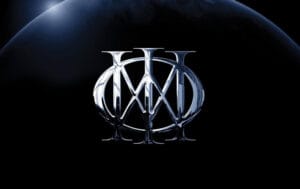
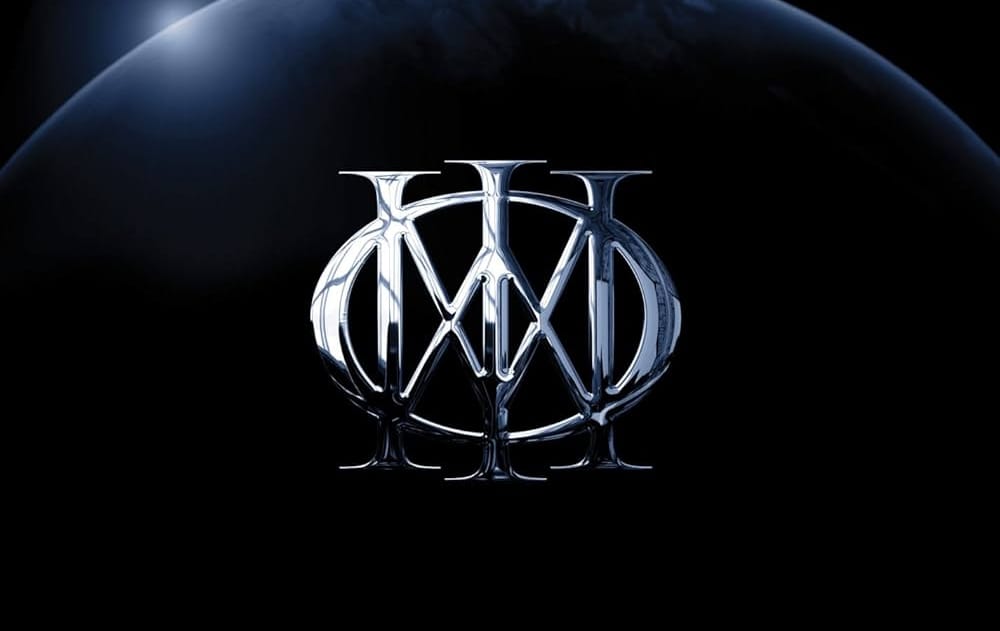
The Dream Theater band logo was designed by Charlie Dominici, the band’s first official vocalist. Dominici created the symbol while the group was still operating under the name Majesty, adapting it for use on the artwork of the 1989 debut album When Dream and Day Unite. His inspiration was the personal monogram of Mary, Queen of Scots, a royal cipher she used in correspondence and official documents during the sixteenth century. Dominici reworked that historical mark into something the band could use as their own visual identity. Despite leaving the band shortly after the album’s release, Dominici’s creation endured, and the band chose to retain the logo going forward.
What the Symbol Actually Means
The Majesty Symbol is a monogram constructed from three overlapping Greek capital letters: Phi (Φ), Mu (Μ), and Lambda (Λ). The letters are layered together in a single unified mark, creating a symmetrical, almost heraldic emblem that feels both ancient and modern at once. The symbol carries no single declared narrative meaning beyond its Greek letter composition and its connection to the royal cipher that inspired it, but the visual weight it carries suits the band’s music perfectly. Progressive metal, as a genre, leans into complexity, precision, and grandeur — and this logo delivers all three in a compact glyph.
The name Majesty Symbol has stuck even though the band changed their name decades ago. It stands as a reminder of where Dream Theater began and a testament to the power of visual identity done right. For those who follow band logos across the rock and metal world, the Majesty Symbol is consistently cited as one of the most elegant and enduring examples in the genre.
Logo Evolution and Consistency
Unlike many rock bands that have cycled through several logos over the decades, Dream Theater has maintained remarkable visual consistency. The Majesty Symbol has appeared on every studio album, the vast majority of their live releases, bootlegs, and merchandise. The wordmark accompanying the symbol — rendered in a serif-adjacent custom font — has also remained largely stable, changing only subtly in weight and finish across album eras.
The Images and Words era introduced a secondary visual motif — a burning heart modeled on the Sacred Heart of Christ — which appeared on merchandise and related materials. However, the core Majesty Symbol was never replaced. It has been rendered in gold, silver, white, and distressed textures depending on the album artwork, but the underlying form has not changed. This kind of visual discipline is rare and speaks to how central the logo is to the band’s identity.
Designers and fans who study metal band logos often point to Dream Theater as a case study in restraint and longevity. Where some bands opt for constant reinvention, Dream Theater treated their visual identity as a covenant with their audience.
Visual Language Tied to the Music
Dream Theater’s music is characterized by long compositions, shifting time signatures, conceptual album structures, and a demand for deep listening. The Majesty Symbol reflects that ethos. It is not a logo designed for instant mass recognition in the way a pop act might need. It rewards closer inspection — the more you look at it, the more you see the interlocked letters, the classical symmetry, the historical lineage. That mirrors the experience of listening to a Dream Theater album, where repeated plays reveal layers that were invisible on first pass.
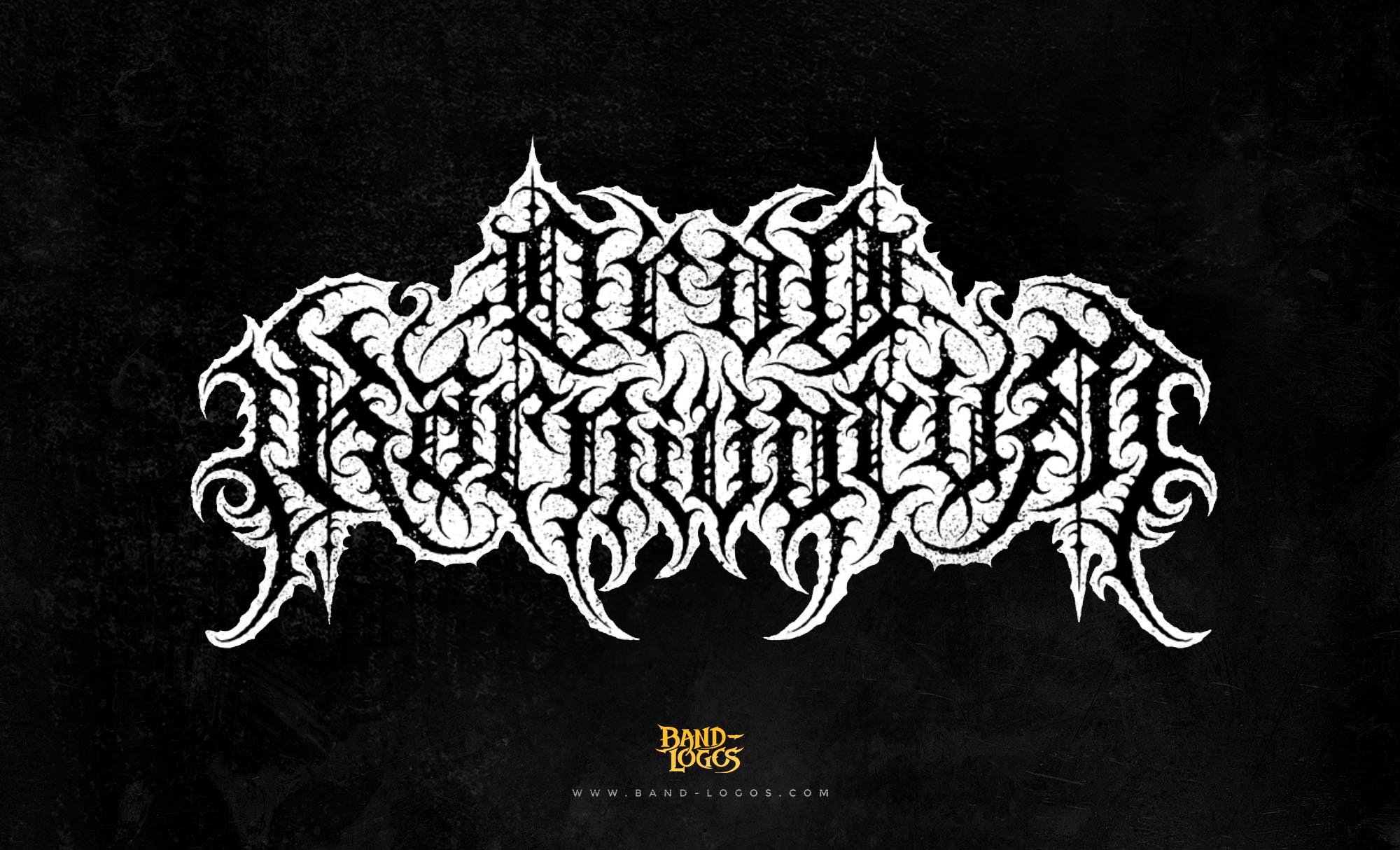
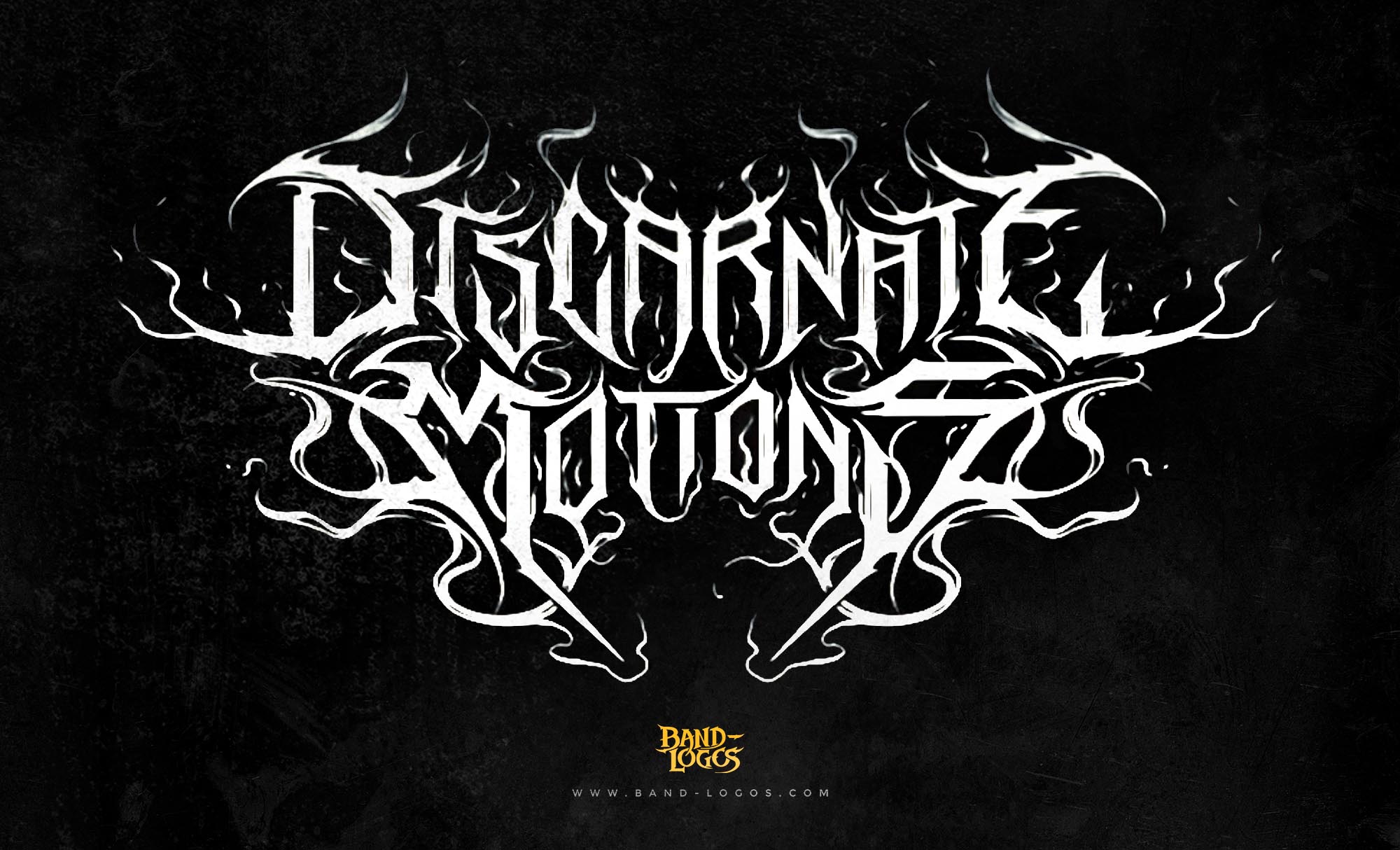
The Greek letter construction also ties the logo to a tradition of intellectual and philosophical weight. Phi, in mathematics, is associated with the golden ratio. Mu and Lambda carry significance in physics and classical scholarship. Whether intentional or not, the symbol communicates that this is a band concerned with depth, not surface. For fans of black metal band logos and the broader extreme metal aesthetic, Dream Theater’s approach is notably different — refined and architectural rather than chaotic or aggressive — but no less purposeful.
Recent Albums, Tours, and Major Updates
Dream Theater released their sixteenth studio album, Parasomnia, on February 7, 2025, through InsideOut Music and Sony Music. The album marks the first studio recording to feature Mike Portnoy since Black Clouds and Silver Linings in 2009, reuniting the classic lineup that many fans consider the band’s most creatively potent era. Guitarist John Petrucci produced the album, with mixing handled by Andy Sneap. Longtime collaborator Hugh Syme returned to create the cover artwork.
Parasomnia takes its concept from the clinical term for disruptive sleep disorders including sleepwalking, sleep paralysis, and night terrors. The band released three singles ahead of the album — “Night Terror,” “A Broken Man,” and “Midnight Messiah” — each accompanied by a music video. The record clocks in at 71 minutes and is designed, per Portnoy’s stated vision, to be experienced as a single cohesive work rather than a collection of individual tracks. According to Billboard, Portnoy described the album as something listeners should “digest from start to finish, like watching a movie or reading a book.”
The band launched their 40th Anniversary Tour in October 2024, beginning with a headline performance at London’s O2 Arena. The tour continued through Europe and North America, including a sold-out date at Radio City Music Hall in New York City. A European leg of the tour resumed in June 2025. The band has indicated that work on a seventeenth album will likely begin in late 2026 after the current tour cycle concludes.
Build Your Own Band Identity
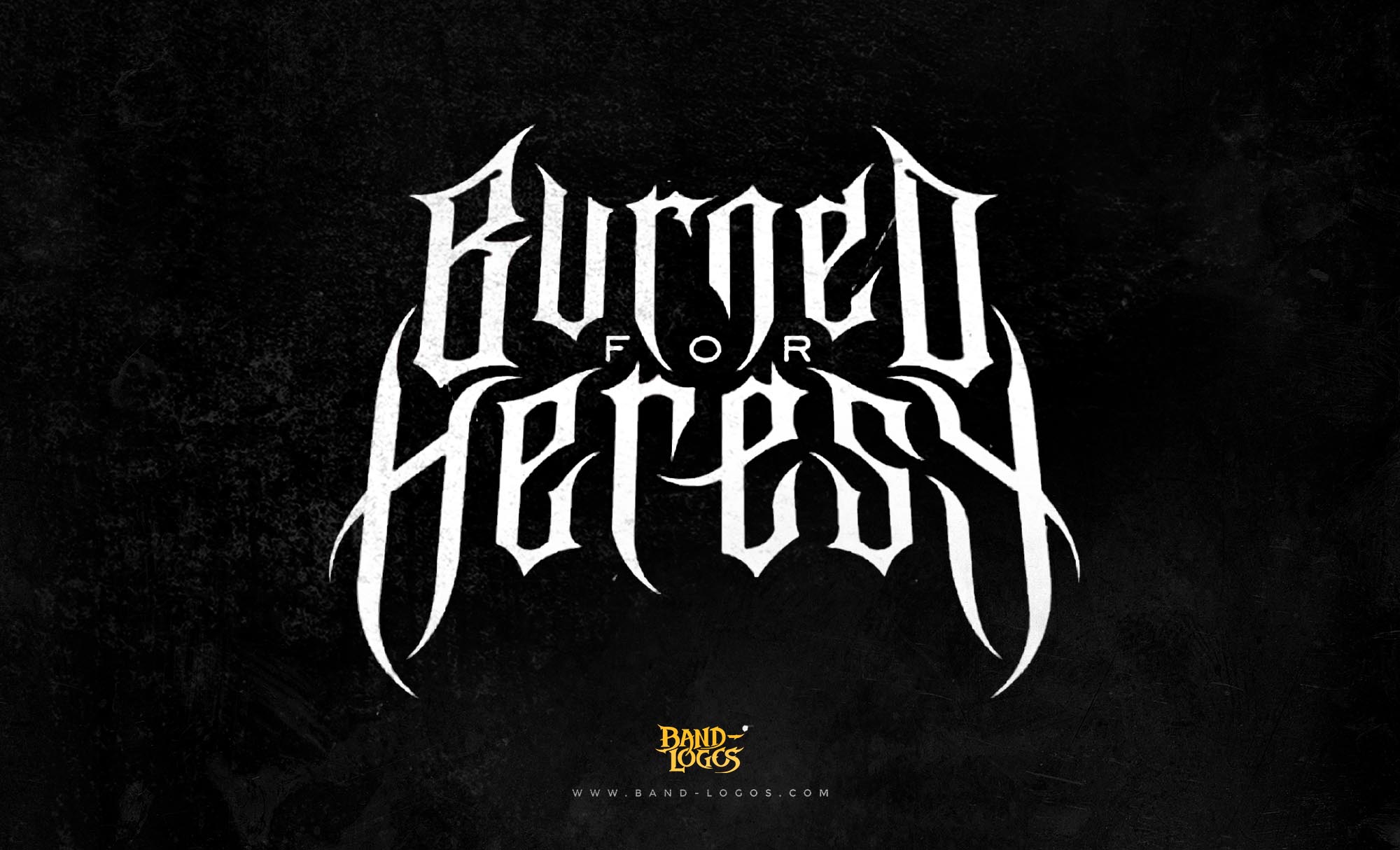
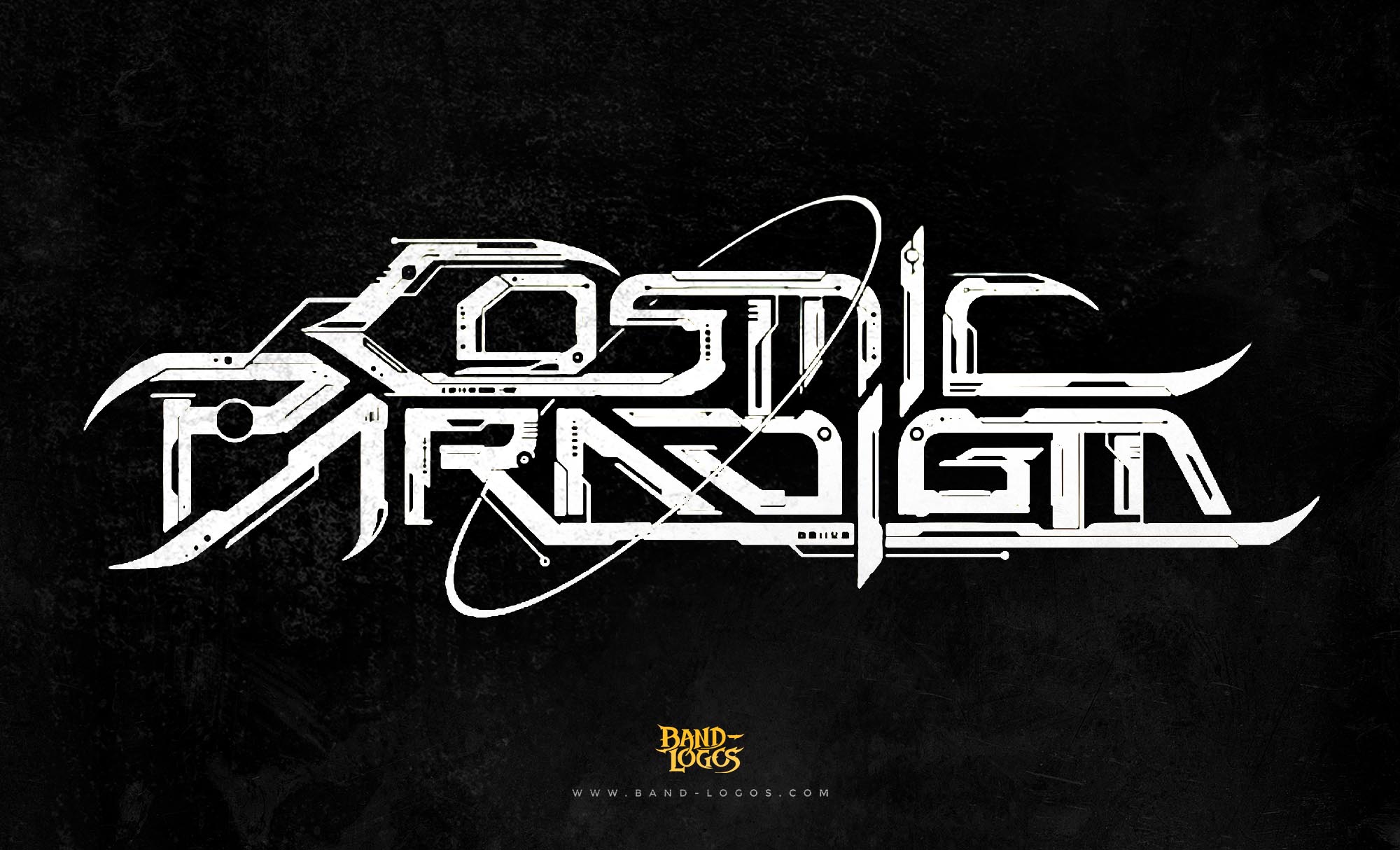
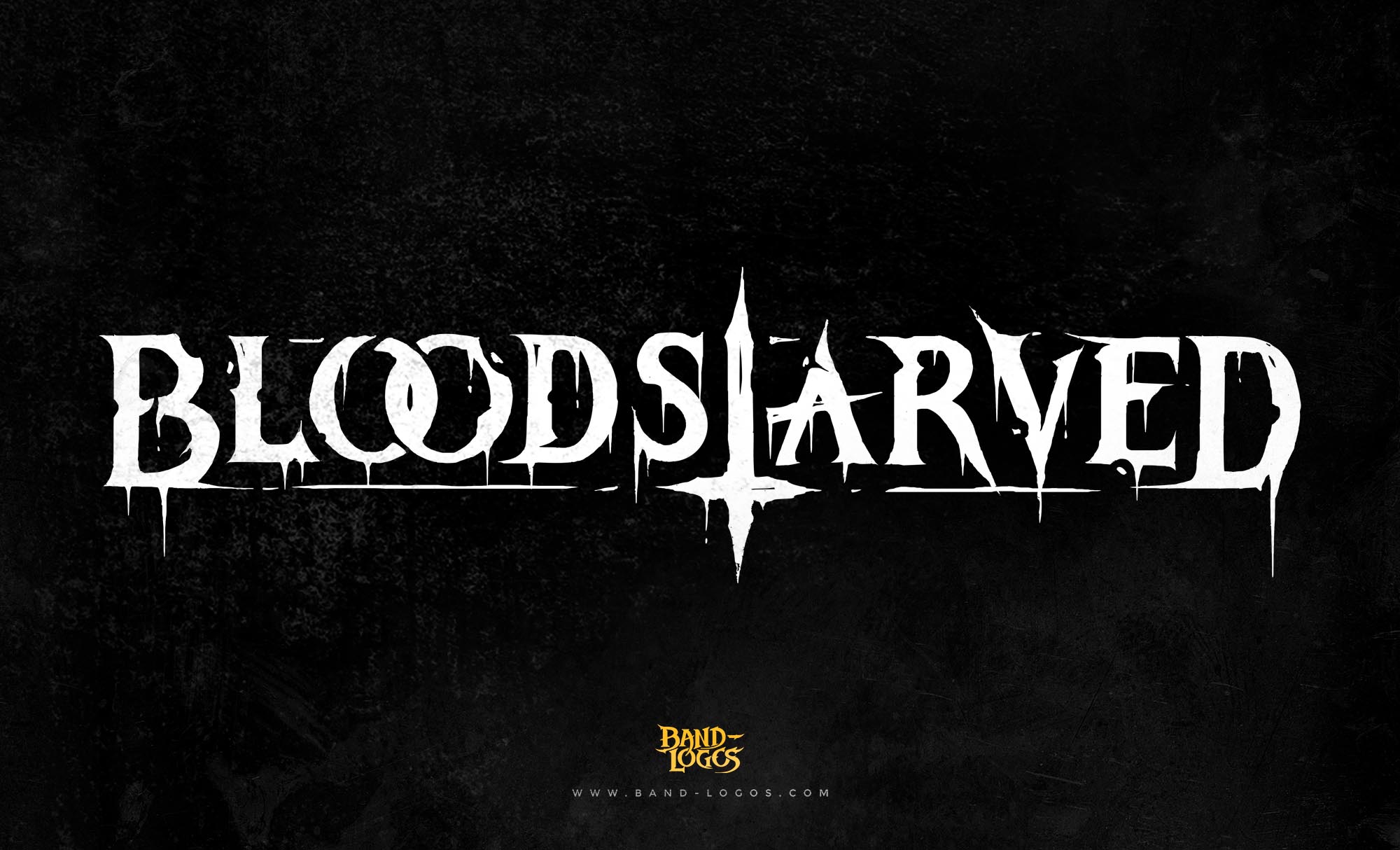
The Dream Theater band logo is a masterclass in what a great band emblem can accomplish — historical roots, intellectual depth, visual consistency, and a direct connection to the music it represents. If you are building a band and want a logo that carries that same kind of weight and longevity, it starts with working with designers who understand the genre and the craft. Visit Band-Logos.Com to get a custom band logo designed by professionals who specialize in music identity across every genre of rock and metal.